
Red Narrow Spectrum Lighting
Why use Red Light instead of White?
Restricting the use of white light in vivariums allows research technicians to continue work, while at the same time preserving the animals’ natural circadian rhythms. This reduces stress and allows the animals to behave more normally, which ultimately produces more reliable research results. The use of controlled dimming that mimics dawn to dusk, in addition to red vivarium lights, is preferred by researchers interested in observing changes in animal behavior when animals are primarily active at night.
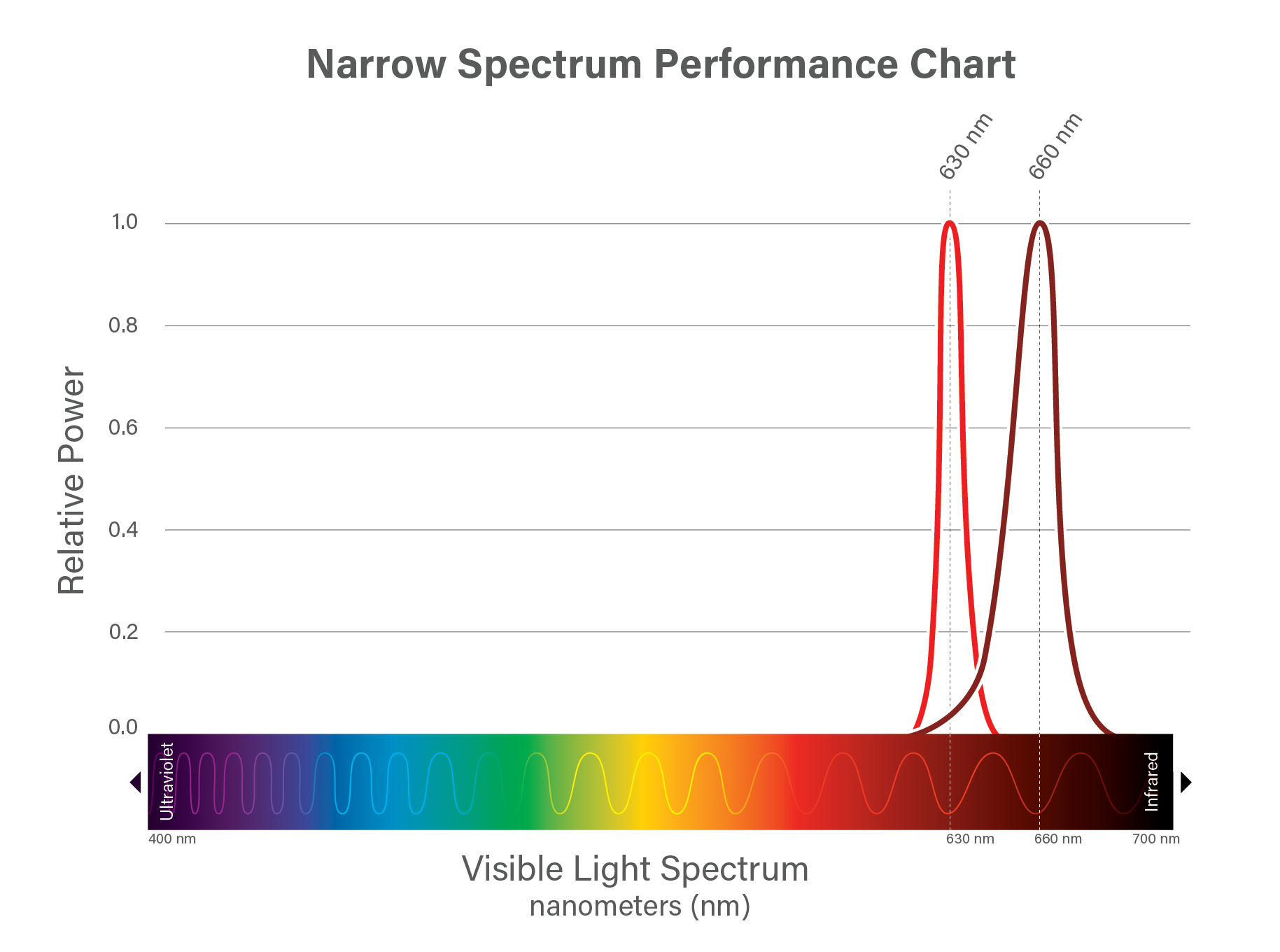
630 nm or 660 nm? What's the Difference?
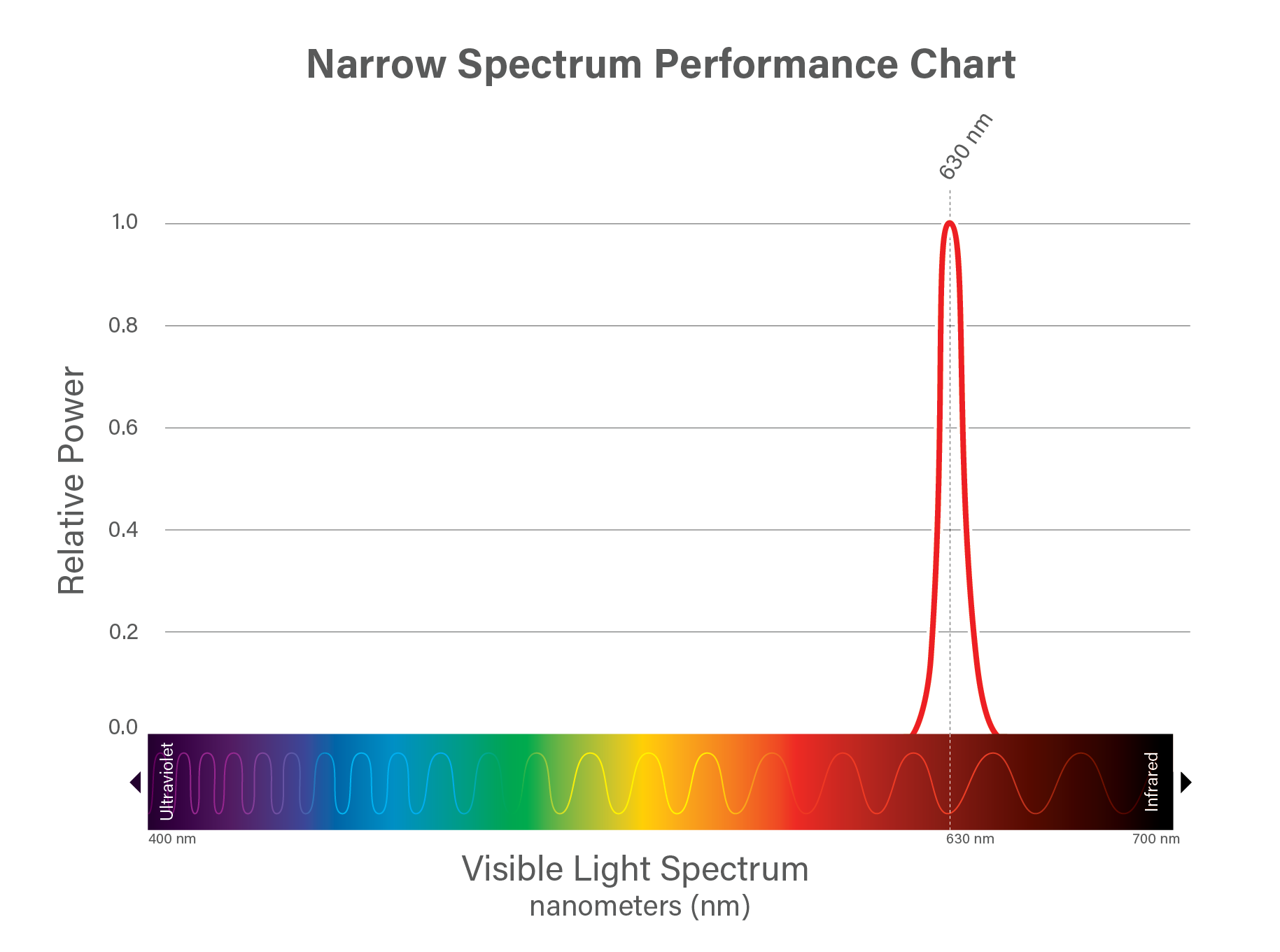
Lighting in Research Facilities using Rodents
This specific spectrum of light, 630 nm, maintains sleep cycles for nocturnal animals such as mice and rats. Research facilities commonly use rodents for study, and therefore must address the issue of proper lighting for these nocturnal animals. Studies indicate that the timing and duration of light and dark cycles (called a photoperiod) influences the body weight and food intake of laboratory animals. It also can induce a shift in the circadian rhythm of blood pressure, heart rate and activity.
Since red light is invisible to rodents (and some other research animals), it is used at times when white light would disrupt their activity cycles.
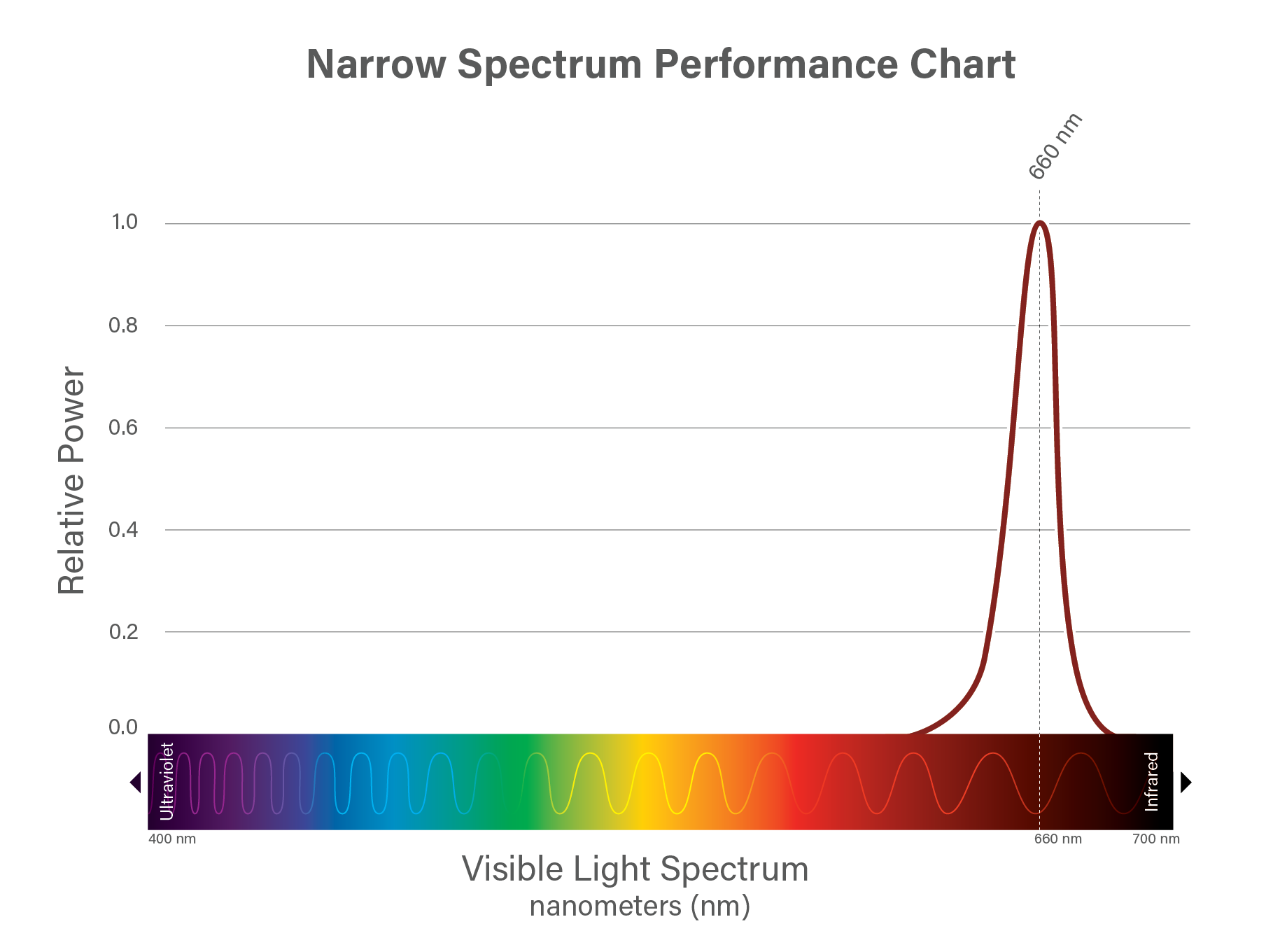
Lighting for a Broader Spectrum of Vivariums
Kenall’s SimpleSeal series 660 nm wavelength red light is effective in circadian regulation across a broader range of lab animals. Essentially, a greater variety of animals are unable to see the 660 nm wavelength, meaning it's more efficacious in lab settings conducting research on animals beyond, or in addition to, mice.